As an Educational Expert with School Liability Expert Group, one of my roles is to write articles on current legal topics in education. Below is Part 1 of a multi-part article on the New Title IX Rule.
A lesson on leadership
COVID-19 Impact on Adolescents
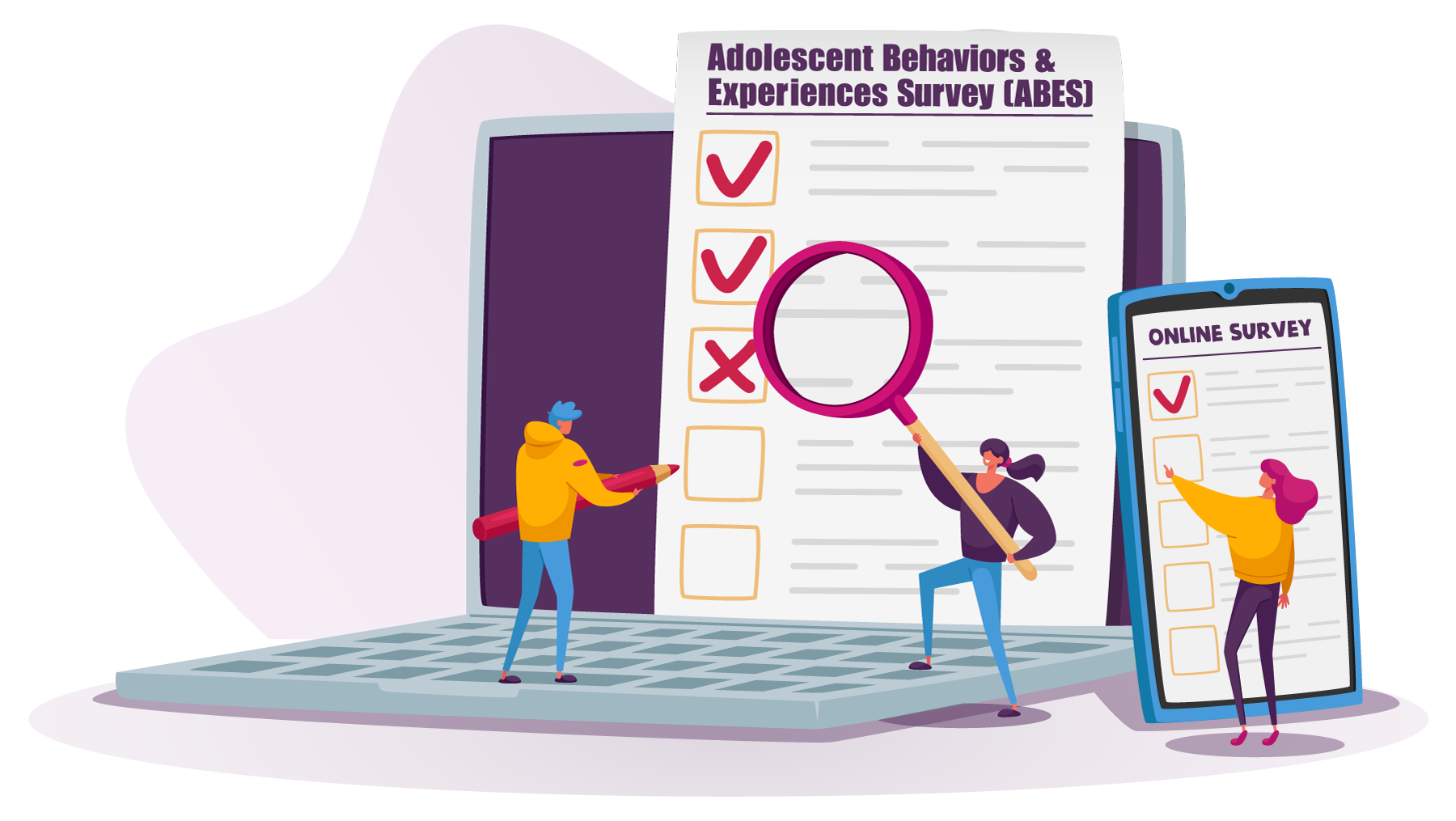
Recently, the Centers for Disease Control and Prevention (CDC) released the results of the Adolescent Behaviors and Experiences Survey (ABES) which was administered from January 2021 to June 2021. The CDC administered ABES online to 7,998 high school students representing 128 public and private schools. The purpose of ABES is to assess the impact of COVID-19 on behaviors and experiences of U.S. high school students. This data, along with individual district school climate and Youth Risk Behavior Survey Data, will be extremely useful in developing mental health structures and services for students.
Here are some of the key data points out of 7705 respondents:
- 37% of the respondents reported that their mental health was most of the time or always not good during the COVID-19 pandemic (poor mental health includes stress, anxiety, and depression).
- 28.5% of the respondents reported that their parent or other adult in their home lost their job during the COVID-19 pandemic (even for a short amount of time, among students whose parents and adults in their home had jobs before the COVID-19 pandemic started).
- 22.3 % of the respondents lost their paying job during the COVID-19 pandemic (even for a short amount of time, among students who had a job before the COVID-19 pandemic started).
- 23.8% of the respondents went hungry because there was not enough food in their home during the COVID-19 pandemic.
- 66.6 % strongly agree or agree that doing their schoolwork was more difficult during the COVID-19 pandemic than before it started.
- 55.1% reported that a parent or other adult in their home swore at them, insulted them, or put themdown during the COVID-19 pandemic.
- 11.3% reported that a parent or other adult in their home hit, beat, kicked, or physically hurt them in any way during the COVID-19 pandemic.
- 14.7% strongly agree or agree that they drank more alcohol during the COVID-19 pandemic than before it started.
- 12.1% strongly agree or agree that they used drugs more during the COVID-19 pandemic than before it started (counting using marijuana, synthetic marijuana, cocaine, prescription pain medicine without a doctor’s prescription, and other illegal drugs)
- 28.2% never or rarely were able to spend time with family, friends, or other groups during the COVID-19 pandemic (such as clubs or religious groups and not counting attending school online, by using a computer, phone, or other device)
- The study also examines whether mental health and suicidality are associated with feeling close to persons at school and being virtually connected to others during the pandemic. Overall, 37.1% of students experienced poor mental health during the pandemic, and 31.1% experienced poor mental health during the preceding 30 days.
- In addition, during the 12 months before the survey, 44.2% experienced persistent feelings of sadness or hopelessness, 19.9% had seriously considered attempting suicide, and 9.0% had attempted suicide.
- Compared with those who did not feel close to persons at school, students who felt close to persons at school had a significantly lower prevalence of poor mental health during the pandemic (28.4% versus 45.2%) and during the past 30 days (23.5% versus 37.8%), persistent feelings of sadness or hopelessness (35.4% versus 52.9%), having seriously considered attempting suicide (14.0% versus 25.6%), and having attempted suicide (5.8% versus 11.9%).
- The same pattern was observed among students who were virtually connected to others during the pandemic (i.e., with family, friends, or other groups by using a computer, telephone, or other device) versus those who were not.
- Comprehensive strategies that improve feelings of connectedness with others in the family, in the community, and at school might foster improved mental health among youths during and after the COVID-19 pandemic.
According to the April 1, 2022 CDC Weekly Morbidity and Mortality Weekly report, approaches such as providing youths with access to mental health care, connections to trusted adults and supportive peers, and engagement in community activities result in improved feelings of connectedness, better mental health, reduced risk for suicide, reduced prevalence of health risk behaviors, and better academic achievement. As the report states, “To foster school connectedness and promote positive school climates, school districts can implement schoolwide programs such as those focused on social and emotional learning, professional development for staff to improve classroom management, and strategies to foster relationships between students, their families, and school staff.” (CDC, MMWR, April 1, 2021) Moreover, schools can foster connectedness and positive school climate by analyzing their disciplinary policies to assess if they they are being equitably across racial and ethnic groups.
The data reaffirms the value of promoting connectedness and positive relationships in schools. Those schools that used more synchronous online learning or in person learning during the pandemic had a lower risk of mental health issues with students. Those strategies helped mitigate student’s mental health issues. It is important to note that the pandemic had a negative impact on all of us, some more than others. Families who had food insecurities, job losses, family and friend sickness and death would be impacted more and that will have an effect on those children in school. It is critical that schools continue to prioritize counseling and other mental health supports in schools. Although COVID cases are on the decline, mental health issues among our staff and students will continue to be a major concern in schools over the next several months and perhaps years.
References
Adolescent Behaviors and Experiences Survey Results, Center for Disease Control and Prevention, March 31, 2022. https://www.cdc.gov/healthyyouth/data/abes/tables/index.htm
Jones SE, Ethier KA, Hertz M, et al. Mental Health, Suicidality, and Connectedness Among High School Students During the COVID-19 Pandemic — Adolescent Behaviors and Experiences Survey, United States, January–June 2021. MMWR Suppl 2022;71(Suppl-3):16–21. DOI: http://dx.doi.org/10.15585/mmwr.su7103a3external icon.
NE FIRST North Shore District Event
On March 19 and 20, 2022, I was honored to have the opportunity to be a judge at the NE FIRST Robotics North Shore District Event. This event was held at the Walter Hawkes Field House at Reading Memorial High School and was the first NE FIRST Reading event in the last two years due to COVID.
FIRST is a national and international organization with teams from all over the world competing each year in a challenge. There are different challenges for different age groups, which start as early as Grade 3. In the FIRST Robotics events, teams compete at district events in teams of three, collect points over the weekend and then the top 8 teams pick two other teams in an alliance to compete for the overall championship. There is an amazing amount of teamwork, team spirit, and collaboration among the teams.
This year’s challenge is called rapid react. In RAPID REACTSM presented by The Boeing Company, teams must use innovative engineering, creative thinking, and teamwork to reimagine the future of safe, high-speed travel, and lightning-fast deliveries to propel the next evolution of transportation forward – in this world and beyond. Below is a video of the challenge.
The matches are a combination of the Super Bowl and NASCAR with music, play by play action, and excitement. Teams have a specified number of days to build their robot to accomplish the challenge. Each team has several matches over the two day event, so quality and durability is critical to the success of the robot.
But, FIRST is so much more than a robot challenge. The most successful teams run their group like a corporation with a business plan and sub teams that each have roles and responsibilities including software management, technology, robot design, community outreach, safety, and fundraising. FIRST teams reach out to the community, promote STEM activities with younger children, and mentor other teams.
As a judge, my role is to work collaboratively with all of the other judges to determine who is best qualified to win the many designated awards that are presented at the end of the weekend. There are two types of awards that judges award, Machine/Creativity/Innovation Awards and Team Attribute Awards. Machine, Creativity, and Innovation awards focus on the different aspects of the robot. These include the following:
Autonomous Award sponsored by Ford
Creativity Award sponsored by Rockwell Automation
Excellence in Engineering Award
Industrial Design Award sponsored by General Motors
Team attribute awards focus more on those intangible skills that make a team more cohesive. There are also awards for Rookie teams. These include the following with the criteria in the link:
Gracious Professionalism® Award
Imagery Award in honor of Jack Kamen
This is where the fun is. Every team is worthy of an award, unfortunately, there are more teams than awards. A judge needs to do their diligence, go into the pits (where the teams are in between matches) and here the stories of these teams. The stories that the students share are amazing. This year, because of COVID the past two years, most teams were starting from scratch with their community outreach, fund raising, and recruiting of team members. For some team members, it was the first time they had ever been in a FIRST event. Some teams are not school based, so they have the additional task of renting space to work on their robot, identifying mentors to support them, and finding business partners. Other teams are school based, but do not have a dedicated space to work on their robot, so they have to use a garage space at a team members home.
But, when you talk to each team and each student, you see and hear enthusiasm, spirit, collaboration, and dedication. Team spirit is evident the entire weekend as teams cheer on each other during the matches. Students say that FIRST has motivated them to pursue STEM fields in college.
A special thank you goes out the Reading Robockets, Team 4761, who were the host of the weekend event.
2 Years Ago…Our lives changed, perhaps forever

Permit me to go back in time 2 years ago today. The 2020 calendar year started out like any other year with its normal ups and downs. However, as the 2020 calendar began turning from January to February to March we began to hear in the news about a virus, the Coronavirus, that was infecting and killing people at an alarming rate, more than we had seen in our lifetime. Our school district started first communicating about the virus on February 29th in a communication to staff and families. From that point forward, we had frequent ongoing communication about the virus and its impact throughout the pandemic. On Wednesday, March 11th of that fateful week, we began hearing national stories of how the virus was impacting national events. One such event was in NBA basketball when basketball games were being cancelled because Utah Jazz star Rudy Gobert tested positive for Corona Virus. It began a chain reaction. Did playing basketball with someone who tested positive increase the chances that everyone on the basketball court would get COVID? Out of an abundance of caution and the early health data, professional and collegiate sports started cancelling their games. Major League Baseball cancelled spring training. March Madness was cancelled. Other countries started quarantining. We started taking notice. As educators we were getting more and more concerned in Massachusetts schools about how this would impact our students, our staff, and education. I know that professionally this week began the most challenging 18 months of my career.
Our first major cancellation in Reading Public Schools began on Wednesday, March 11th, when the Parker Middle School Musical was cancelled. It was heartbreaking that I had to cancel all four performances for the 120 students who had rehearsed for months for this opportunity, but I had to keep the safety of the students and the audience at the forefront of my decision. All of that hard work and they never were able to perform the show, just a dress rehearsal which was videotaped. It was just the beginning of months of cancellations of the performances, games, competitions, and other extra-curricular activities. Understandably, students and staff were getting concerned. In fact, our high school students staged a walkout on Friday, March 13th because we had not cancelled school.
Given what we were seeing in the data and hearing across our country, on March 13, 2020, I released our fifth COVID update that stated the following:
“Although the Department of Public Health and Governor Baker are not recommending regional wide school closures at this time, except in specific situations, the Reading Public Schools and many other area school districts will be closed from March 16th to March 27th. This includes all athletics, extra-curricular, after/before school activities and extended day programs.
I am doing this out of an abundance of caution, particularly out of sensitivity to families and staff who have underlying conditions that make them more vulnerable to complications should they become infected. I do not take this decision to close our schools lightly because of the educational impact on our students and most likely, a financial impact on families who do not have childcare options. As of this morning our community has been fortunate not to have any identified cases of COVID-19, however, we know that can change very quickly. In addition, with the number of school districts who will be cancelling for two weeks, this will have an impact on our staff with families who live in those districts.”
On Sunday, March 15, 2020, Governor Baker announced that schools would be cancelled until April 7th. At that point our world and our lives completely changed. The first few days were a complete blur. We were prepared for all types of emergencies and situations, but the pandemic was a new one and one that we were not ready to tackle. We all hoped that this school closure would last only until April 7th, maybe a little more and we would be back to school soon. However, when students, teachers and administrators left on that Friday, March 13th, little did they know that they would not be entering back into the schools for several months.
In person and remote school was cancelled for five days. During those five days, we worked behind the scenes and focused on Maslow’s hierarchical needs. Did our students and families have enough food, sufficient technology, internet access? We were very concerned about our special education, economically disadvantaged and English Language Learner students. Were our teachers able to make the shift necessary to educate children remotely? We then had to figure out how were we going to start educating our students remotely and what tools and training our teachers would need to make this happen. Fortunately, I had a dedicated team of Directors, Principals, and Central Office Administrators who all chipped in during those months with creative solutions. Furthermore, our teachers were amazing and many had the skills to make the shift. But, we needed to flip a light switch immediately and implement remote education for 4300 students and we did not know how long it was going to last. Little did we know, it was going to be for the rest of the 2019-2020 school year and beyond.
During those remaining months of the 2019-2020 school year we all did our best to educate students and support our staff. We focused on food insecurities, technology access, and the social emotional needs of our students. Our nurses, food service staff, custodians, facilities staff, and technology staff were the unsung heroes of our district. We needed to make sure that our students continued to make connections with their teachers and peers We offered food distribution twice a week for our families. We distributed all of the available laptops that we had available for our students and ordered more, along with wireless hotspots. We did daily check-ins with students to make sure that they were doing ok. Our teachers taught their lessons online from their homes, but the focus had to be on the social and emotional well being of students. I will be the first to admit that our model wasn’t perfect, but we relied on our experience as leaders and educators in our areas to do what was best, given the circumstances. In essence, we were building an airplane as it flied by developing a learning platform for our students and teachers to use. However, at the same time, there was a lot of uncertainty if and when we were coming back. We would meet via Zoom with the Commissioner each week and there was always this glimmer of hope that we would be coming back to finish the 2019-2020 school year. Unfortunately, it never happened. Looking back now, it was naive of us to think that we would be back that year. There was no vaccine and we did not know how to mitigate the virus to safely return to school. We needed to prepare our physical buildings for a completely different model of education with masks and hybrid learning and the vaccination was not available. Returning to school in person was just not going to happen.
In addition to managing their new online schools, our principals did an amazing job during the spring of 2020 to creatively develop those traditional end of the year celebrations so that our students in Kindergarten, 5th grade, 8th grade and 12th grade did not miss out on those milestones. Car parades, drive by yearbook distributions and promotion ceremonies, and a midsummer High School Graduation were carefully planned with support from the town. Thanks to our High School PTO and our Rotary Club, each Class of 2020 student’s picture was placed on the front law of Town Hall to celebrate their graduation. We set up times for our staff to come back to pick up any materials that they needed to teach remotely. Working collaboratively became essential to the success of our schools and our district.
Once we were officially told in late spring that we were not coming back for the remainder of the school year, our focus began shifting to the start of the 2020-2021 school year. We needed to start planning with the hope that we would be returning, at least part time, in person. Our facilities, finance, health and technology departments did a yeoman’s job ordering the PPE, plexiglass, wireless hotspots, and laptops needed to prepare for a hybrid or remote environment. Our facilities staff built plexiglass shields in our cafeteria serving lines and main offices to protect students and staff. We needed to create classrooms which had desks 6 feet apart and then find storage for all of the rest of the classroom furniture. Gymnasiums became cafeterias to reduce the number of students during lunch. Our food service department continued food distribution all summer and then into the next school year, averaging 500 families each week that needed support. Our teaching and learning sector began developing the learning platform, tools, and training needed to educate in a hybrid environment. Our principals need to create three different schedules in anticipation of what could happen: a completely remote model, a hybrid model, and a full in person model.

What complicated matters more is that were were not getting timely information from the state on what the expectations were. Our only option was to prepare for the scenarios that would impact us the most and work from there. Staffing the model that we decided on was also going to be a challenge. We had many staff who could not work full time in person because they were immunocompromised or they had family who was more susceptible to COVID-19. We met with over 120 staff between May and mid-September to address their individual situations and recommend accommodations so that they could work. Many decided to take a leave of absence which further complicated how we were going to staff our schools.
Another key piece of the puzzle was the value of the collaborative relationship that we had with the Town of Reading. Beginning shortly after that fateful day of Friday the 13th, the Incident Command Structure was enacted consisting of the Town Manager, Fire Chief, Deputy Fire Chief, Police Chief, Board of Health, Superintendent of Schools, and the School’s Chief Financial Officer. This group met frequently and led the Town of Reading through the most difficult challenges of this pandemic. We planned the car parades, mask distributions, food distributions, vaccination clinics, and a host of other dilemmas that we had not faced before. As Superintendent, I used a similar structure in our district using the Incident Command System by developing sectors each with their own responsibilities. We had a sector for student services/special education, a sector for teaching and learning, a sector for operations, a sector for health, and a sector for human resources. Representatives from these sectors would meet several times each week to make sure that we were all on the same page. In addition, we would meet with our principals and directors twice a week to listen, inform, plan and act on the challenges that we were facing both short term and long term.

We decided to go with a hybrid model which featured a two week cycle. Half the students in a cohort would be in week one, Monday-Thursday while the other half would be remote. They would then switch in week 2. Everyone would be remote on Fridays to allow a deep cleaning day in our schools. Our school opening in the Fall of 2020 wasn’t perfect, but we focused first on our youngest and most vulnerable students. Special Education, Preschool, and Kindergarten student attended full time from the very beginning. Other grades were slowly phased in to hybrid based on available staffing. It was not perfect and throughout the year, we had our challenges, but our focus was always on providing as much live and synchronous teaching as possible so that our students would have constant contact with their teachers. I still feel that given the circumstances, we provided the best education we possibly could with the resources that we had.

I could share so much more, but as I stated earlier, it was the most challenging 18 months that I had ever experienced as a Superintendent. However, I grew tremendously as a leader and learned so much from the experience. Here are some of the key lessons learned that I would like to share with you.
- Timely and Proactive Communication was Critical-It was extremely important that we kept our staff and our community informed of what was going on, even though we did not have the answers. I sent out weekly updates to staff and the community on everything I knew and everything we anticipated. We sent out surveys to gauge opinions from both staff and community as we approached our school reopening on what models may work best. We held both staff and community forums on a regular basis on zoom to update our staff and families as to what was going on, but to answer questions. I also held remote Superintendent office hours for those staff and parents that had individual issues that they needed addressed.
- The focus had to be on the health and safety of staff and students-We were in unknown territory and we had to rely on the health data, the science of the virus and how it impacted our staff and students. We researched models from all over the country and I relied on my background in biology to develop the best educational model for our students with the health data available. Early on, the research and data showed that wearing masks, physical distancing, improved ventilation, and hand-washing were important precautions that needed to be taken. We had to plan our return to school using those tenets, even though we knew, it would be different and look different.
- Having a strong collaborative team was essential-As I mentioned earlier having a team of dedicated and qualified professionals was critical to our success. At the District level, I was fortunate to have caring and qualified Principals, Central Office Administrators, and Directors who were willing to work together, put their egos aside, and do what was in the best interest of students and staff. At the Town level, we had established a collaborative relationship with town department heads and officials prior to this pandemic. Looking back, those relationships was critical in the success on how we handled this pandemic. It does not mean we didn’t have our disagreements, but we were able to air our differences respectfully and move forward.
- Having a trusting relationship with staff was important-In this time of uncertainty, it was important that we had a trusting relationship with our teachers and other staff. During the months after March 13, 2020, we had to work with each bargaining unit to develop memorandum of understandings that would navigate us through the pandemic. We would not have been able to successfully come to agreement without the trust and the relationships that we had developed prior to the pandemic.
- Work with your colleagues in other districts-I was very fortunate that we had a very close network of Superintendents. Each of us had our own local challenges, but we had common challenges such as which learning model we would be using, how to implement it, what athletics and extra-curricular activities would look like, and how to communicate changes to the community. I worked with Superintendents from different geographical sectors of the state to share what we were doing with COVID and what others were doing. Our state association did an incredible amount of work to make sure that we had the latest information and research on legal, health, and HR issues. This was essential to develop the decisions that made the most sense for our staff and students.
- Listen, empathize, and communicate and model a message of inspiration and hope-As the leader of the district, it was important to listen to staff, empathize with their issues and concerns, and inspire and create a message of hope. I personally met with over 200 staff and hundreds of parents, sometimes more than once, to listen to their concerns and help to brainstorm solutions to their concerns. This is above and beyond the hours on Zoom that we had meeting with staff and the community in forums. Sometimes it was just to reassure them that everything was going to be ok and we have put all of the necessary precautions in place for them to return to work. I wanted to make sure that our district was open for business and held all of School Committee meetings, my forums, and meetings via Zoom in my office. I am proud to say that our district office remained open for business during the pandemic and it was because I wanted people to know where they could go if they had an issue.
- You are going to make mistakes. Be vulnerable, admit your mistakes and move forward.-There were mistakes that I made as a leader during the pandemic. Early in the pandemic, we were not as proactive as we should have been with communication in keeping the community informed even though we did not have all of the answers. I learned from those mistakes, and made communication with all stakeholders one of the top priorities during the next several months. When we made mistakes, I focused on expressing my vulnerability as leader and admitted our mistake and what we would do differently moving forward. This also built that trust level during the pandemic.
- Everyone is not going to agree with your decisions or recommendations-Regardless of the decisions that were being made, we did not have 100% agreement with our staff or our community. In fact, there were times that we had much less agreement. Regardless, it is important to stay true to your moral compass and focus on the decisions and planning that is in the best interest of students. Rely on the data in making your decisions. Some of the decisions that I made during the pandemic were not the most popular, but they were the best decisions based on the health data and education information that we had at the time.
- Balance work and life during a crisis-I failed this one miserably. For 18 months navigating the pandemic became my life because I wanted to make sure that I did the best job I possibly could for our staff and students. If you do not put the oxygen mask on you first and take care of yourself, you will not be useful for anyone else.
Was our response perfect? No, it wasn’t. But we did our best, given the circumstances that we faced. We did not create the pandemic, but we had to deal with it. In retrospect, dealing with the pandemic made me and others stronger leaders. I became a leader who was more reflective, more empathetic, and more willing to learn from the mistakes that I made.
2 Years ago today changed education, perhaps forever. Only time will tell what the true impact the pandemic had on the academic and social emotional needs of our students and the long term impact it has had on our staff and administrators. It was a time in my career that I will never forget and I am so fortunate that I had an outstanding team that tackled the challenges with me.
Celebrating International Women’s Day

Today is International Women’s Day where we celebrate and honor the achievements of women throughout the world. This holiday is celebrated every year on March 8th to commemorate the cultural, political, and socioeconomic achievements of women. This year’s campaign theme is #BreaktheBias which spotlights the individual and collective biases against women that fuel gender inequality.
During my 38 years in education, I have had the honor of working with outstanding female leaders at all levels including principals, central office administrators, superintendents, and teacher leaders. We tackled many educational challenges together ranging from closing the achievement gap, to solving budget challenges, to navigating the pandemic. At the state level, I have had the opportunity to work and collaborate with Superintendents and Assistant Superintendents on Massachusetts Association of School Superintendents (MASS) committees that focus on race, equity, diversity, and inclusion. I also have learned so much from my colleagues on the Safe and Supportive Schools Commission where we focus on providing guidance to schools on how to make them safe and supportive for all students. In my current role as an education expert for the School Liability Expert Group, I am so impressed with the knowledge and skill that each member of our team has to offer and how we discuss and problem solve our cases as a team.
One of the challenges facing women in education is that while women make up the vast majority of the education workforce, they are in only a quarter of the top leadership positions. Dr. Jennie Weiner, Associate Professor for the University of Connecticut is an expert in this area. In a Harvard Graduate School of Education Podcast that was published in April 1, 2021, Dr. Weiner breaks down the gender issues in the field and suggests ways to push toward equality. If you have 25 minutes, it is worth listening to Dr. Weiner’s words and thoughts.
As we celebrate the accomplishments of women across the world, I am appreciative of all that I have learned from my female colleagues. There is strength through inclusion and equity and it all makes us all better leaders and better people.
Addressing the mental health of our educators

Recently, Education Week, published an article, Don’t forget the adults: How schools and districts can support mental health by Madeline Will & Denisa R. Superville. In 8 days, we will be reaching a significant milestone in this pandemic when on Friday, March 13, 2020, our schools and our communities were shut down indefinitely. Since that date, two years ago, our educators have been under increasing stress to continue to educate our children the way they used to, pre-pandemic, while trying at the same time to address students’ ever changing social and emotional needs. However, in order for teachers to successfully teach our students, building leaders need to take care of our teachers, and district leaders need to take care of our building leaders. Each level, including our district leaders need to have their own mental health needs addressed.
The article states that 1 in 4 teachers said they were experiencing symptoms of depression in an early 2021 survey by the RAND Corp. In a different RAND survey, most secondary school principals were experiencing frequent job-related stress—and one of their big stressors was supporting teachers’ mental health and well-being. The article continues that if these mental health needs are not addressed, we will see a mass exodus of educators in an already depleted field of qualified professionals. This will have a major impact on educating our children.
The impact will create a ripple effect in a classroom. A teacher who is experiencing symptoms of depression will not have the energy to plan their lessons effectively and create engaging small group lessons where students will most benefit. They will miss more school due to illness and substitute teachers, which are also in short supply, will be educating students more often. Whole group instruction and unengaged learning will become the norm leading to students not feeling connected to their adults. When students do not have adults that they feel connected to in school, it leads to their own social and emotional issues.
In an Ed Week survey done in February, 2022 of over 900 principals and district leaders, 44% said that they have increased professional development offerings on self-care. Other areas where teachers are being supported include adding counselors/mental health support (33%), support groups (13%), or additional time off (10%). Conversely, 17% stated that they did not offer any new supports to address mental health needs even though their supports were inadequate.
Leigh McLean, an assistant research professor at the Center for Research in Education & Social Policy at the University of Delaware has been researching this topic and has come up with some findings. McLean’s research has found that teachers’ mental health and commitment to their career is better protected when they experience more support and autonomy from school leaders. Having colleagues whom teachers can turn to for help also boosts mental health, she said. Furthermore, Dr. McLean stated that the most vulnerable teachers who are struggling with their mental health more than others are teachers of color, early-career teachers, and those in high-needs schools.
Based on the information provided in this article, here are some key takeaways:
- Even though there is significant pandemic federal funding available to school districts right now to address mental health needs, one of the biggest issues is that there is a dearth of professional counseling staff and counseling services available to address the needs. The resources that are available are usually assigned to the student needs.
- If counseling and other supports are going to be provided for staff, time needs to be carved out to make this a priority. This should not be considered an additional “assignment or task” for staff. Other initiatives may need to take a back seat for these supports. Using existing inservice or professional development days for this purpose would send a powerful message as to the importance of providing social emotional support.
- Superficial programs will not work. Teachers and administrators need meaningful supports, not superficial programs that will allow districts to check off a box to say that they are doing it. This will create more frustration among staff.
- Confidentiality is critical. If one on one or small group counseling services for staff will be available, they must be independent and not tied to supervision or evaluation. For this reason, some districts use an Employee Assistance Program through their health insurance programs or a third party to provide this support.
- Principals and Superintendents can create an environment in which teachers and principals know they can go to their bosses and say they need to take a break. The gift of time can go a long way in support mental health of our educators.
Unfortunately, the mental health issues will get worse before they get better. As we transition from a pandemic to an endemic, more and more issues will begin to be exposed as both students and adults enter a more “normal” school day. It is critical that the social emotional needs of our adults and children get addressed or our student learning will never fully recover.
For our educators
When I saw this quote, it reminds me of the amazing work that teachers, administrators, school nurses, school secretaries, paraeducators, aides, custodians, school facility workers, coaches and other school staff have accomplished during the last two plus years. In spite of all of the changes and challenges that they have had to endure, they have reached each milestone with great resolve. They do this because they want to make a difference with our future generations. Please take a moment to thank your child’s teacher or other school employee who is making a difference in your child’s life. Or if you were inspired by a teacher at some point during your educational journey, reach out and thank them. I know that I would not be the person that I am today without the support and guidance that I received from my teachers and coaches along the journey.
It takes a special person to enter the education field and it takes an even more special person to endure the challenges that they have faced. Thank you for what you do!

Amanda Gorman’s New Day’s Lyric
On January 1, 2022, Amanda Gorman, a youth poet laureate and the youngest poet to ever deliver a poem at a Presidential Inauguration, released her most recent poem, A New Day’s Lyric. This poem talks about honoring the hardships of the past, but at the same time, moving on and realizing the potential of the future. With everything going on in our world today, it respects and appreciates the sacrifice that many are going through, but focuses on the hope for the future.
These powerful words resonate with me as I am watching the sacrifices and heroism that the people of Ukraine are going through to save the values of freedom and democracy that we sometimes take for granted in our country. Although, it is painful, it gives me hope for the future of world that we can come together for a common cause.
If you have three minutes, it is worth the watch.
Have a good day!
Articles-How to talk to students and children about the Russia/Ukraine War
Many school districts have been on vacation this past week. When they return, one of the challenges that they may be facing is having students asking questions about the Russia/Ukraine War. Below are some resources that may help in communicating the information and answering student questions.
Recently, Education Week published an article on how to talk to students about the Russia/Ukraine War.
The article link is found here.
The article discusses five tips on how to talk to students about this war. Where schools are returning tomorrow, students may have questions for their teachers on what is going on and what they are seeing on television and other media. Here are the tips:
1. First and foremost, consider the developmental and age levels of your students.
2. Encourage students to feel a sense of agency about how they can make a difference.
3. Explain why it is important to pay attention to what is happening in other parts of the world.
4. Pose nuanced, objective questions to high school students about the crisis.
5. Share stories of what regular people are experiencing.
I also want to share with you a recent New York Times Article on How to talk to kids about Ukraine. and a post from the Today show on How to talk to children about war: An age-by-age guide.
 The Journey-The Next Chapter