
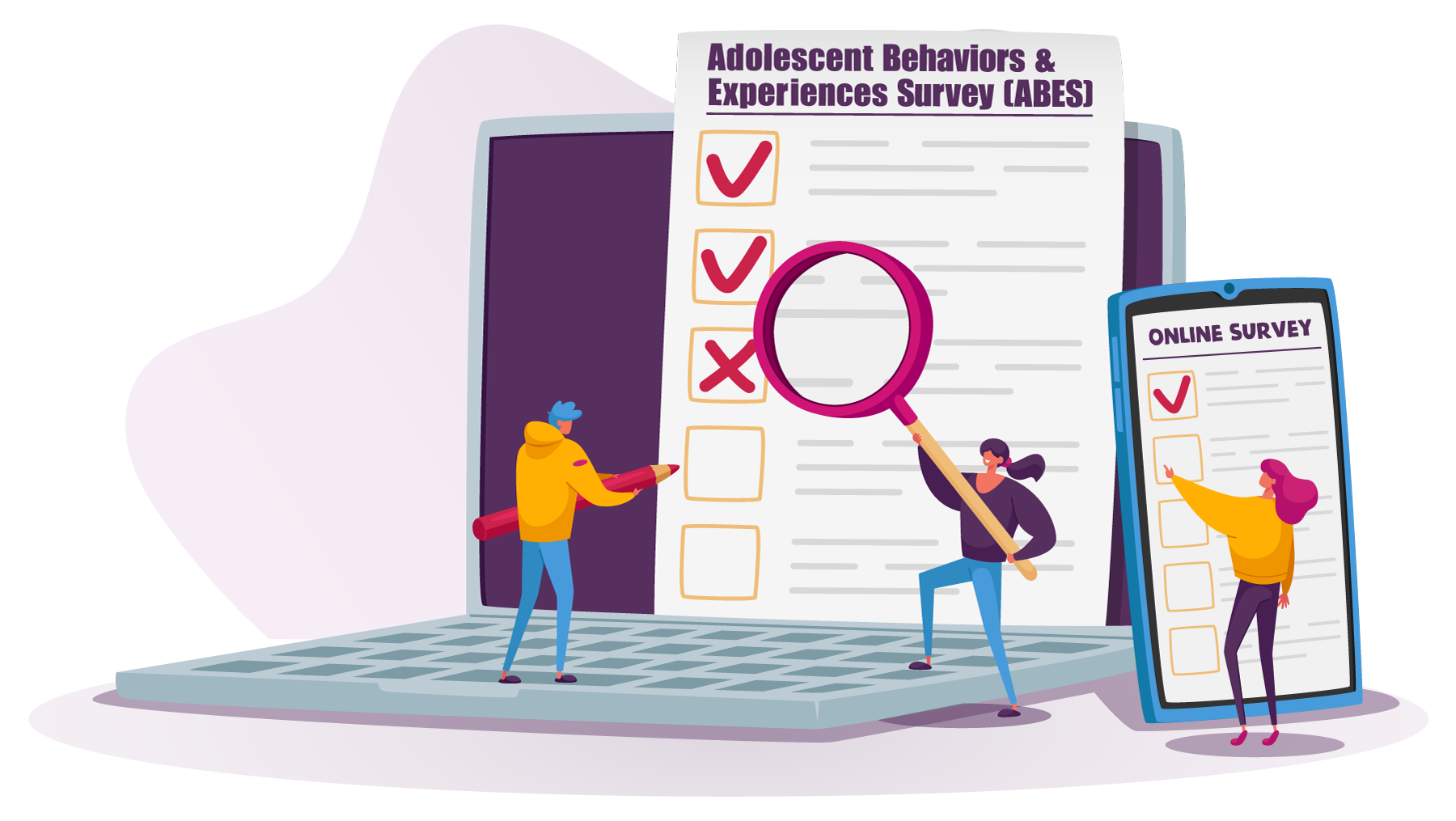
Recently, the Centers for Disease Control and Prevention (CDC) released the results of the Adolescent Behaviors and Experiences Survey (ABES) which was administered from January 2021 to June 2021. The CDC administered ABES online to 7,998 high school students representing 128 public and private schools. The purpose of ABES is to assess the impact of COVID-19 on behaviors and experiences of U.S. high school students. This data, along with individual district school climate and Youth Risk Behavior Survey Data, will be extremely useful in developing mental health structures and services for students.
Here are some of the key data points out of 7705 respondents:
- 37% of the respondents reported that their mental health was most of the time or always not good during the COVID-19 pandemic (poor mental health includes stress, anxiety, and depression).
- 28.5% of the respondents reported that their parent or other adult in their home lost their job during the COVID-19 pandemic (even for a short amount of time, among students whose parents and adults in their home had jobs before the COVID-19 pandemic started).
- 22.3 % of the respondents lost their paying job during the COVID-19 pandemic (even for a short amount of time, among students who had a job before the COVID-19 pandemic started).
- 23.8% of the respondents went hungry because there was not enough food in their home during the COVID-19 pandemic.
- 66.6 % strongly agree or agree that doing their schoolwork was more difficult during the COVID-19 pandemic than before it started.
- 55.1% reported that a parent or other adult in their home swore at them, insulted them, or put themdown during the COVID-19 pandemic.
- 11.3% reported that a parent or other adult in their home hit, beat, kicked, or physically hurt them in any way during the COVID-19 pandemic.
- 14.7% strongly agree or agree that they drank more alcohol during the COVID-19 pandemic than before it started.
- 12.1% strongly agree or agree that they used drugs more during the COVID-19 pandemic than before it started (counting using marijuana, synthetic marijuana, cocaine, prescription pain medicine without a doctor’s prescription, and other illegal drugs)
- 28.2% never or rarely were able to spend time with family, friends, or other groups during the COVID-19 pandemic (such as clubs or religious groups and not counting attending school online, by using a computer, phone, or other device)
- The study also examines whether mental health and suicidality are associated with feeling close to persons at school and being virtually connected to others during the pandemic. Overall, 37.1% of students experienced poor mental health during the pandemic, and 31.1% experienced poor mental health during the preceding 30 days.
- In addition, during the 12 months before the survey, 44.2% experienced persistent feelings of sadness or hopelessness, 19.9% had seriously considered attempting suicide, and 9.0% had attempted suicide.
- Compared with those who did not feel close to persons at school, students who felt close to persons at school had a significantly lower prevalence of poor mental health during the pandemic (28.4% versus 45.2%) and during the past 30 days (23.5% versus 37.8%), persistent feelings of sadness or hopelessness (35.4% versus 52.9%), having seriously considered attempting suicide (14.0% versus 25.6%), and having attempted suicide (5.8% versus 11.9%).
- The same pattern was observed among students who were virtually connected to others during the pandemic (i.e., with family, friends, or other groups by using a computer, telephone, or other device) versus those who were not.
- Comprehensive strategies that improve feelings of connectedness with others in the family, in the community, and at school might foster improved mental health among youths during and after the COVID-19 pandemic.
According to the April 1, 2022 CDC Weekly Morbidity and Mortality Weekly report, approaches such as providing youths with access to mental health care, connections to trusted adults and supportive peers, and engagement in community activities result in improved feelings of connectedness, better mental health, reduced risk for suicide, reduced prevalence of health risk behaviors, and better academic achievement. As the report states, “To foster school connectedness and promote positive school climates, school districts can implement schoolwide programs such as those focused on social and emotional learning, professional development for staff to improve classroom management, and strategies to foster relationships between students, their families, and school staff.” (CDC, MMWR, April 1, 2021) Moreover, schools can foster connectedness and positive school climate by analyzing their disciplinary policies to assess if they they are being equitably across racial and ethnic groups.
The data reaffirms the value of promoting connectedness and positive relationships in schools. Those schools that used more synchronous online learning or in person learning during the pandemic had a lower risk of mental health issues with students. Those strategies helped mitigate student’s mental health issues. It is important to note that the pandemic had a negative impact on all of us, some more than others. Families who had food insecurities, job losses, family and friend sickness and death would be impacted more and that will have an effect on those children in school. It is critical that schools continue to prioritize counseling and other mental health supports in schools. Although COVID cases are on the decline, mental health issues among our staff and students will continue to be a major concern in schools over the next several months and perhaps years.
References
Adolescent Behaviors and Experiences Survey Results, Center for Disease Control and Prevention, March 31, 2022. https://www.cdc.gov/healthyyouth/data/abes/tables/index.htm
Jones SE, Ethier KA, Hertz M, et al. Mental Health, Suicidality, and Connectedness Among High School Students During the COVID-19 Pandemic — Adolescent Behaviors and Experiences Survey, United States, January–June 2021. MMWR Suppl 2022;71(Suppl-3):16–21. DOI: http://dx.doi.org/10.15585/mmwr.su7103a3external icon.
 The Journey-The Next Chapter